The Grain.
Five thousand years of sorghum, one farm partner, and a label with nothing to hide.
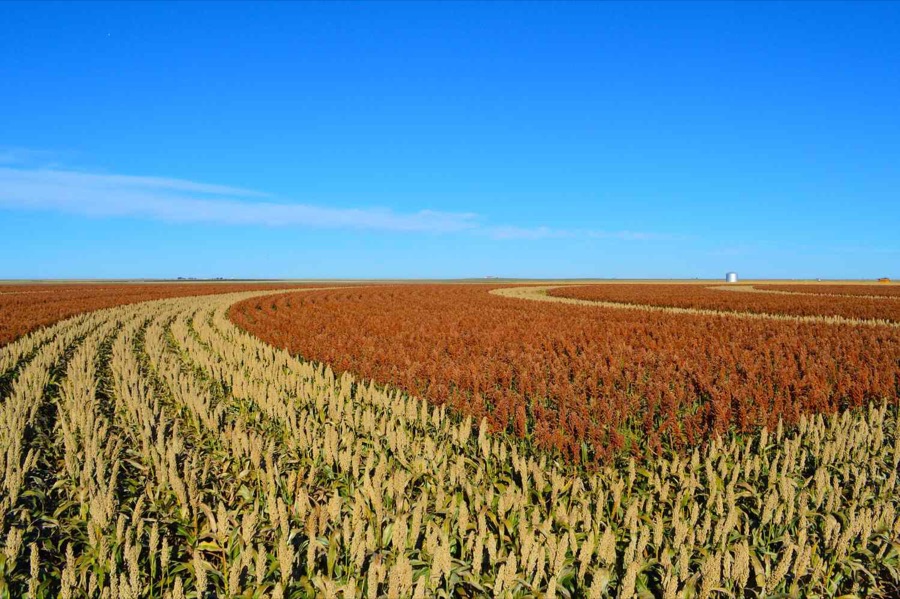
Grown
An American farm
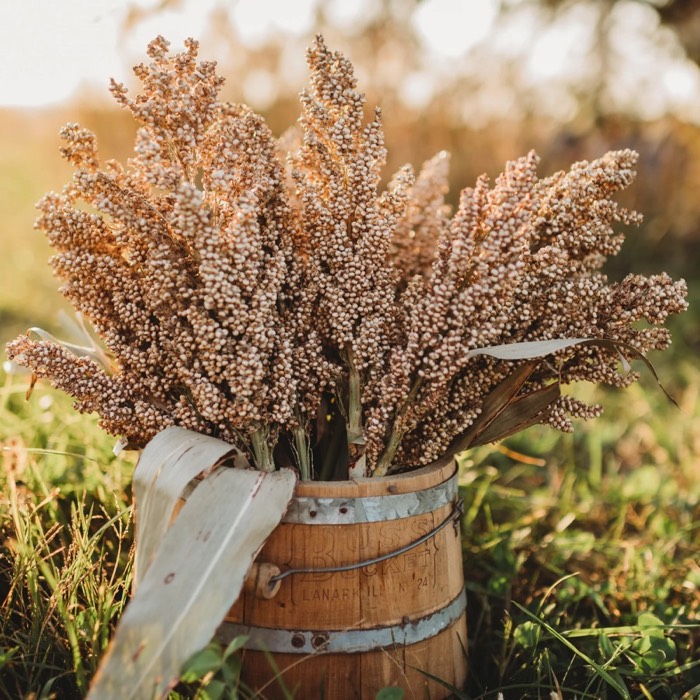
Harvested
One farm partner
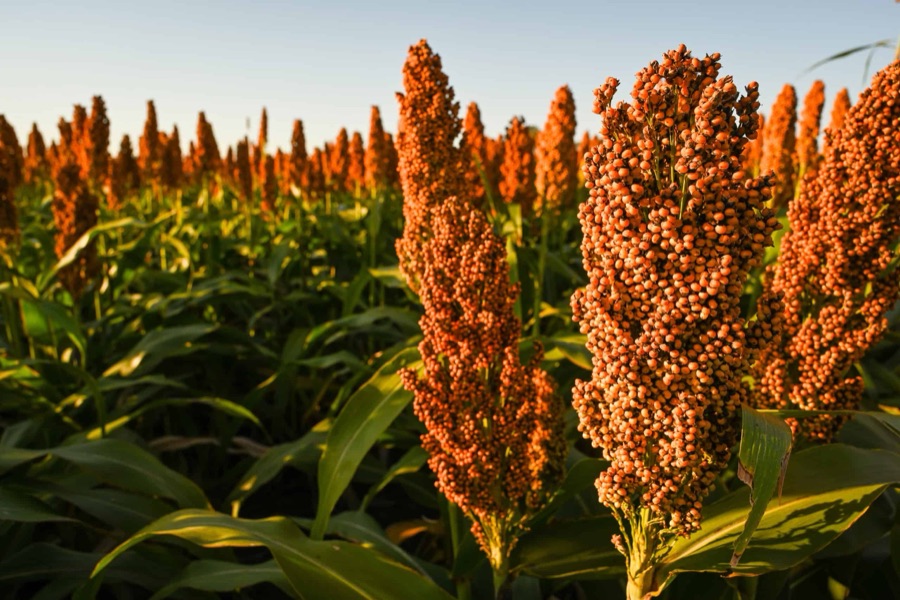
The grain
No hull, no hiding
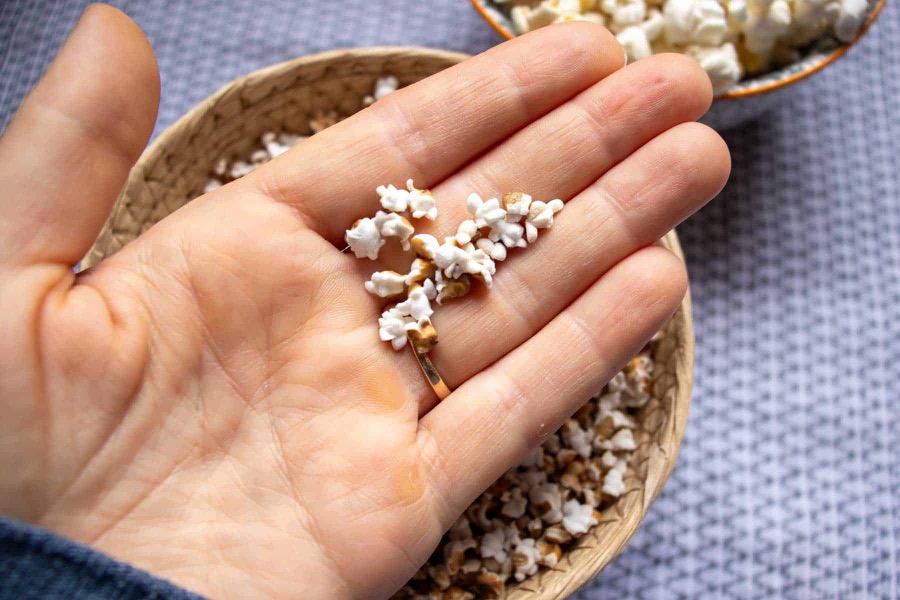
Popped
Air, at the farm
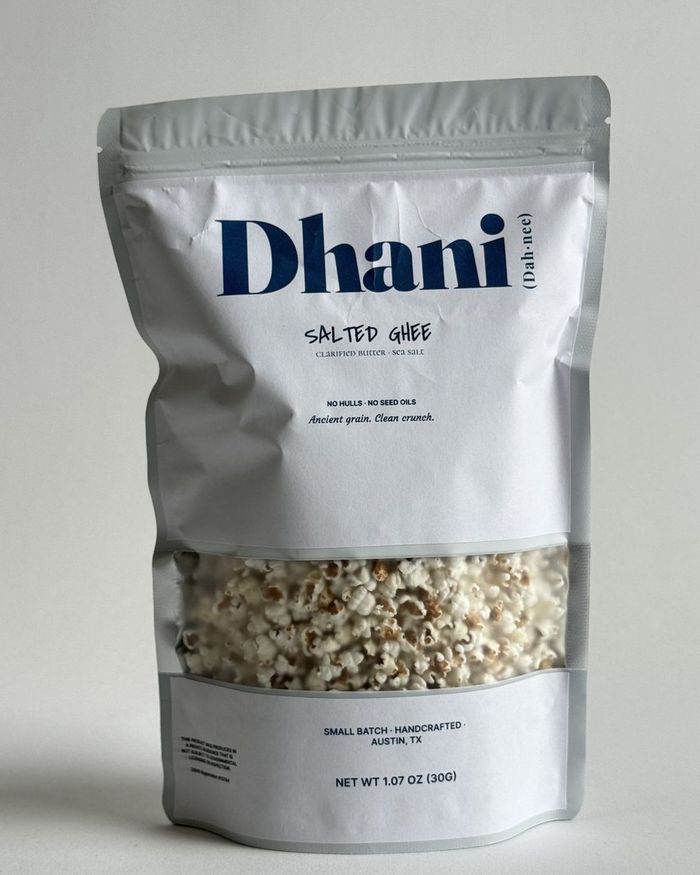
The bag
Finished by hand
Five thousand years
of practice.
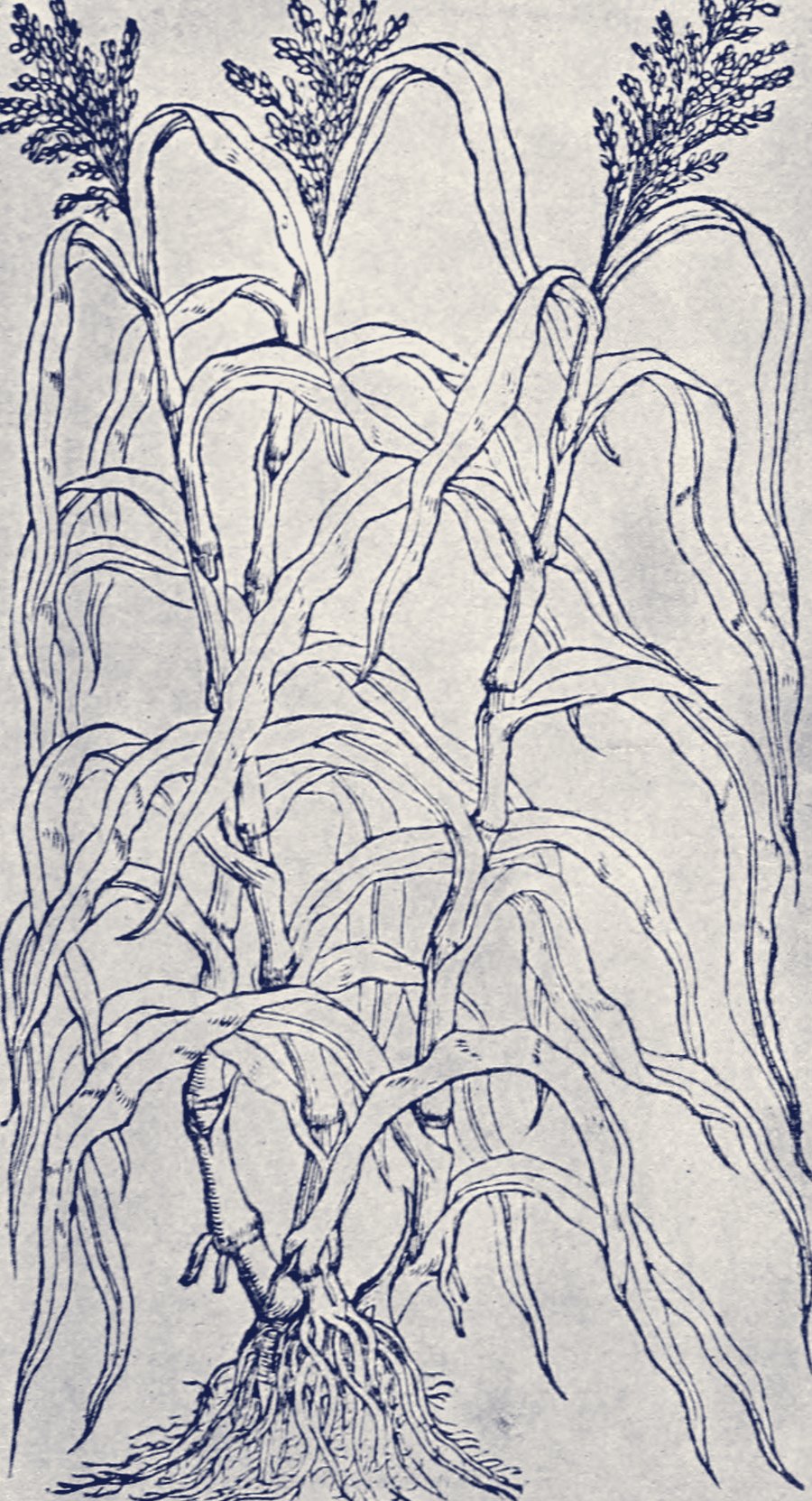
Sorghum was first cultivated in northeastern Africa around five thousand years ago, and it has fed more of the world for longer than almost anything else in the aisle. It crossed to India and China on trade routes, reached the American plains in the 1850s, and today stands as the fifth-largest cereal crop on Earth.
It survived because it's tough — deep roots, drought-tolerant, thrives where other grains quit. It was popping over open fires before popcorn had a name.
- Origin
- Northeastern Africa, ~3000 BCE
- Standing
- Fifth-largest cereal crop on Earth
- Our fields
- A single American farm — field-traceable
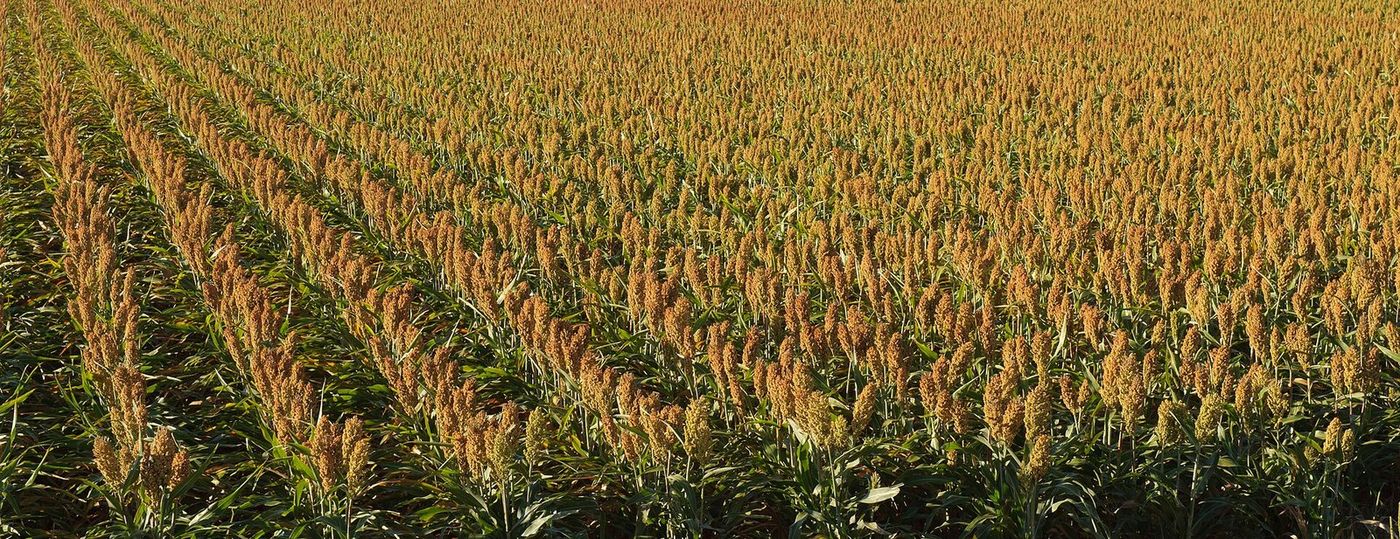
Traceable to the field.
One grain, one farm partner, one short supply chain. Our sorghum is grown and air-popped at origin on a single American farm, then seasoned and finished by hand in our kitchen. Everything below is the standard it arrives under.
- Grain
- 100% whole grain, single origin.Field-traceable, American-grown — one farm partner.
- Pop
- Air-popped, never fried.No oil in the popper — the butter comes later, on purpose.
- Gluten
- Certified gluten-free (GFCO).Naturally gluten-free grain, from a dedicated gluten-free facility.
- GMO
- Non-GMO by nature.No genetically modified sorghum is grown commercially, anywhere. Guaranteed by our grower.
- Facility
- Dedicated, allergen-clean.Popped in a facility free from gluten, peanuts, and soy.
- Heavy metals
- Naturally low.Sorghum's root structure and careful soil stewardship keep arsenic, cadmium, and lead low.
- Water
- Drought-tolerant by design.Needs a fraction of the water thirstier grains demand.
- Finishing
- By hand, in small batches.Cultured ghee, sea salt, and seasonings — added by us.
Finishing note: our ghee is dairy (milk), and our kitchen also handles tree nuts and wheat. The gluten-free certification above applies to the sorghum as it reaches us — we'd rather be precise than impressive.
Corn had a “good” run.
Somewhere along the way, corn stopped being a food and became an industrial input with a marketing department. Sorghum never got the memo — no lobby, no budget, no makeover. Still just a grain. Still of the earth. We'd like to keep it that way.
Ever heard of high-fructose sorghum syrup?
Exactly.
Read the back
of the bag.
Ours, next to the leading “clean” cheddar popcorn.
- 01whole grain sorghum
- 02cultured ghee
- 03sea salt
- 01popcorn
- 02coconut oil
- 03tapioca solids
- 04rice flour
- 05himalayan crystal salt
- 06flavor
- 07yeast extract
- 08lactic acid
- 09butter type flavor
We trimmed the word "organic" six times for readability — "organic butter type flavor" is still butter type flavor. Butter is a food; "butter type flavor" is what you write when it isn't. And Himalayan crystal salt? Salt, with a passport.
How labels work, in three rules:
Ingredients are listed by weight. The first ingredient is most of the bag. The last one is barely there.
So when a "butter" popcorn lists butter-anything ninth of nine… the butter is a rumor.
If you can't buy an ingredient at the grocery store, it isn't cooking — it's chemistry. Every ingredient in our bag is a food you already own.